

Building Materials
(1201 Products)Building Materials form the essential foundation of any construction project, providing the structural integrity and groundworks necessary for residential and commercial developments. From heavy-side masonry and aggregates to precision-engineered metalwork and lintels, these core components ensure compliance with building regulations while delivering long-term stability and performance.






Understanding Building Materials
Building Materials encompass the primary elements used to create the structural shell and substructure of a building. This range focuses on the high-mass components required for ground preparation, load-bearing walls, and structural reinforcements. Selecting the correct materials is vital for ensuring that a structure can withstand both dead loads, such as the weight of the building itself, and imposed loads like wind or occupancy.
The inventory is comprised of four main pillars: heavy masonry, bulk aggregates, structural lintels, and essential metalwork. These materials are engineered to work in unison; for instance, high-strength concrete blocks rely on specific mortar mixes derived from our sand and aggregate range, while structural openings are made possible through the integration of steel or concrete lintels.
Beyond the core structure, these materials often serve as the interface for other critical systems. While this range handles the "heavy-side" requirements, successful builds require seamless integration with internal systems such as insulation and plasterboard & drylining to meet thermal and acoustic standards.
Material Range
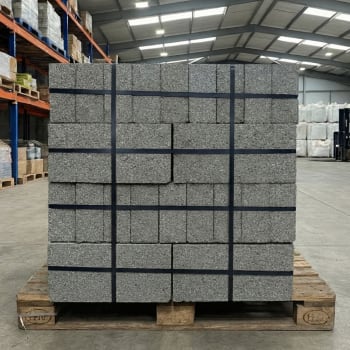
- Bricks and Blocks: High-density walling solutions featuring concrete blocks, aerated blocks for improved thermal performance, and durable engineering or facing bricks.
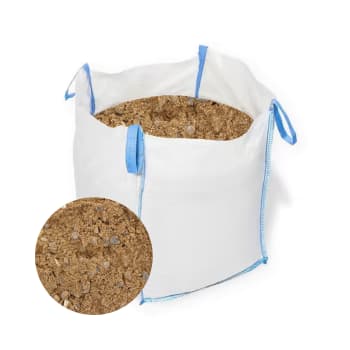
- Sand and Aggregates: Essential bulk materials for sub-bases and mortar production, including MOT Type 1, ballast, and various types of sand such as sharp, building, and plastering varieties.
- Lintels and Padstones: Pre-stressed concrete and steel components designed to provide structural support over window and door openings.
- Building Metalwork: A comprehensive suite of reinforcement and connection hardware, including concrete reinforcement mesh, joist hangers, and restraint straps to ensure lateral stability.
Performance Benefits
- Structural Stability: Engineered to provide the necessary compressive strength and load-bearing capacity required by UK Building Regulations.
- Environmental Resilience: Designed to withstand ground moisture, freeze-thaw cycles, and chemical aggression in the soil.
- Component Compatibility: Standardised dimensions and material chemistries ensure that blocks, mortar, and metalwork integrate without risk of movement or corrosion.
Typical Applications
- Sub-base Construction: Utilising MOT Type 1 and ballast to create stable foundations for driveways, paths, and floor slabs.
- Load-bearing Walling: Using concrete and aerated blocks to construct inner leaves, partitions, and external skins.
- Structural Openings: Installing lintels and padstones to safely distribute loads above apertures.
- Timber-to-Masonry Connection: Employing joist hangers and restraint straps to secure floors and roofs to the main building carcass.
Specification & Standards
- BS EN 771: Standards for masonry units, covering both aggregate concrete and clay bricks.
- BS EN 12620: Specifications for aggregates used in concrete and mortar.
- BS EN 845: Requirements for ancillary components for masonry, including lintels and wall ties.
Related Materials and Construction Uses
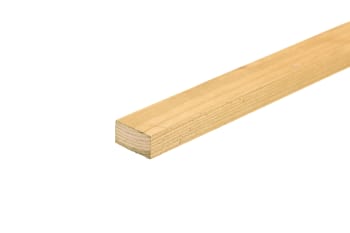
Building Materials provide the skeleton of a project, but they must be paired with high-quality timber and sheet products to complete the building envelope. For floor joists and roofing rafters, our timber & sheet materials work alongside our metalwork connectors to create a unified structural system.
When managing large-scale developments or site-wide groundworks, many contractors find it more cost-effective to source these heavy-side components through our bulk deals. This ensures that essential supplies like cement, blocks, and aggregates are available in sufficient quantities to maintain the construction schedule while optimising project budgets. All structural work should be carried out in accordance with Approved Document A of the Building Regulations to ensure the safety and longevity of the build.
Related Articles

When to Use 8x2 Timber: Applications & Span Guide

Complete Guide to 4×2 Timber: Sizes, Grades & Uses

6×2 Timber: Choosing the Right Grade for Structural Work

Garden and Landscaping: A Technical Blueprint for Outdoor Projects

How to Install Block and Beam Flooring

MDF Grades and Applications: A Technical Selection Guide

Hardboard Sheets: A Technical Guide to Types and Applications

Why Structural Hardwood Plywood is the Industry Standard for Kitchen Worktop Substrates

All You Need to Know About Timber: From Structural Framing to Decorative Joinery

The Ultimate Guide to Plywood: Types, Grades, Sizes & Selection

Chipboard Explained: The Complete Guide to Particle Board & Flooring Sheets

The Ultimate Guide to Sheet Materials: Types, Applications & Selection

Mastering OSB: A Comprehensive Guide to Oriented Strand Board

How to Use Thin Plywood to Build Solid Drawer Bottoms

How to Choose the Right Plywood for Your Project

How to Compact MOT Type 1

How To Unblock a Downpipe

How To Fix A Leaking Gutter Joint

How To Make A Raised Garden Bed

How to Level a Garden

How to Lay a Patio On Soil

How to Lay Sleepers for Garden Edging

Waterproofing Plywood

How to Lay a Gravel Driveway

How To Repoint a Patio

How To Lay Block Paving

How To Lay A Patio

How To Build a Fence

Top Dress A Lawn: The Easy Way

How to Clean Gravel

How To Install Air Brick

Do Air Bricks Stop Damp?

How to Insulate a Shed

How to Insulate Under Floorboards Without Removing

How To Fibreglass a Roof

How To Use Timber Connectors

How to Install Joist Hangers

How To Attach Hardboard To Wall

How To Build Wall Shelves

How To Drill Into A Lintel

Installing A Lintel

How To Build A Decking

What Size Lintel Do I Need?

How To Build A Stud Wall

How To Build A Pergola

How To Build A Media Wall

OSB or Chipboard For Loft Flooring?

Roof Batten Installation Guide

How to Build a Timber Frame Extension

How To Board A Loft

Timber Frame Construction

Timber Sizing

How To Build A Wall

How To Lay Gravel

What Is Cement Made Of?

How To Make Cement

Builders Sand vs Sharp Sand

How To Waterproof OSB Board: UK Specific Guide

Is OSB Stronger Than Plywood? An Examination

A Comprehensive Guide to Painting OSB

How Is MDF Made?

Painting MDF – How To Paint MDF Like A Pro

How To Build a Shed

Painting Hardboard: Techniques, Tips, and Transformations

From Sheets to Shapes: How to Cut Hardboard

Painting Chipboard: Transforming Your Surfaces

A Beginner’s Journey: Installing Flooring Plywood

Chipboard vs MDF: Unveiling the Differences and Making the Right Choice

DIYers Guide to Laying Chipboard Flooring

C16 vs C24 – What’s The Difference?