

Lead Flashing
(38 Products)Lead Flashing ranges provide a definitive, long-term solution for weatherproofing building junctions, ensuring a watertight seal where roof coverings meet vertical abutments or transitions. Manufactured to exacting standards, these rolled lead sheets and associated treatment chemicals are essential for traditional and modern roofing projects requiring a lifespan of up to 100 years.



Understanding Lead Flashing
Lead flashing is a highly malleable, corrosion-resistant material used to prevent water ingress at critical points such as chimneys, dormers, valleys, and roof-to-wall joints. Its ability to be dressed and shaped by hand or with simple tools allows it to follow the complex contours of various roof tiles and masonry surfaces, providing a seamless barrier that outlasts most synthetic alternatives.
Available in different "codes," the thickness and weight of the lead are matched to the specific mechanical stresses and thermal expansion requirements of the application. The use of the correct thickness ensures the flashing remains stable over decades of exposure to UV light and temperature fluctuations, maintaining the structural integrity of the roof envelope and the dry state of the internal building fabric.
Material Range
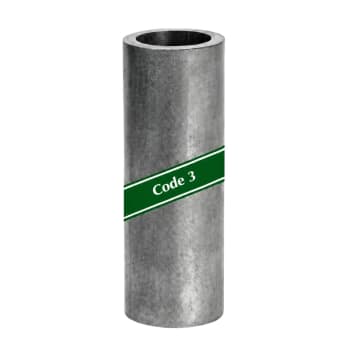
- Code 3 Lead Flashing: A lightweight, 1.32mm thick lead sheet used primarily for soakers where the material is protected by tiles or slates, featuring products such as Rolled Lead Sheet Code 3.
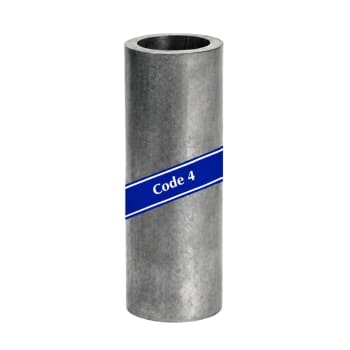
- Code 4 Lead Flashing: The industry standard for general-purpose flashing, measuring 1.80mm thick and suitable for vertical abutments, chimney flashings, and hip and ridge details.
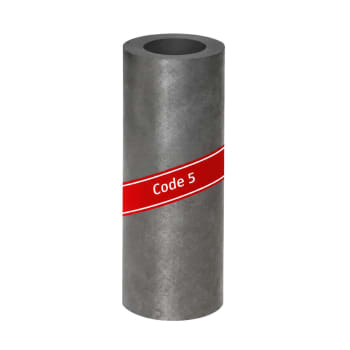
- Code 5 Lead Flashing: A heavy-duty 2.24mm thick sheet designed for flat roofing, gutters, and larger pieces of weatherproofing where increased thermal movement and durability are required.
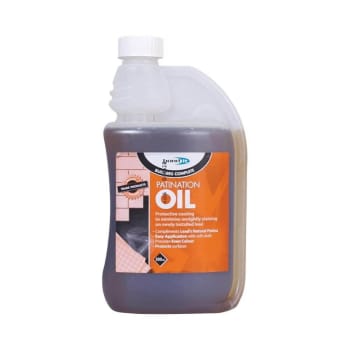
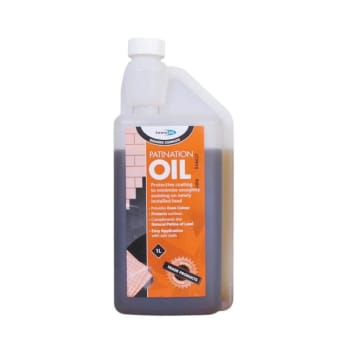
- Lead Accessories: Essential chemicals and fixings for the professional installation of leadwork, featuring products such as Patination Oil to prevent carbonate staining and high-performance Lead Sealants and Clips.
Performance Benefits
- Exceptional Longevity: When installed correctly, lead flashing can last over a century, far exceeding the lifespan of alternative flashing materials.
- Malleability: Can be easily dressed into complex shapes without cracking, ensuring a snug fit against uneven substrates like stone or pantiles.
- 100% Recyclable: A sustainable construction material that can be fully recovered and reprocessed at the end of its service life.
- UV Stability: Immune to the degrading effects of sunlight, ensuring it does not become brittle or lose its waterproof properties over time.
Typical Applications
- Chimney Abutments: Creating a watertight seal between the brickwork of a chimney stack and the roof covering.
- Step Flashing: Protecting the junction where a pitched roof meets a vertical wall, often used alongside roof battens for structural support.
- Window and Door Drips: Preventing water from tracking back into the building at the head of external openings.
- Valley Gutters: Forming the waterproof lining where two roof pitches meet at an internal angle.
Specification & Standards
- BS EN 12588: Rolled lead sheet for building purposes (the UK standard for thickness and chemical composition).
- BS 6915: Design and construction of fully supported lead sheet roof and wall coverings. Code of practice.
- LSTA Guidelines: Compliance with the Lead Sheet Training Academy’s manual for professional leadwork.
Related Materials and Construction Uses
Lead flashing is typically used in conjunction with a sturdy timber substructure. It is often fixed over roof battens and sarking boards, which provide the necessary lift and support for the lead to be dressed accurately.
To ensure a professional finish, the lead must be treated with Patination Oil immediately after installation. This prevents the formation of white lead carbonate, which can wash off and stain surrounding tiles or masonry. Additionally, the use of stainless steel lead clips and high-bond sealants ensures that the flashing remains securely in place even during extreme wind uplift or thermal expansion.
Frequently Asked Lead Flashing Questions
How Long Does Lead Flashing Last?
Lead flashing can last for over 100 years if well-maintained. The material’s resistance to corrosion, flexibility, and the protective patina it develops make it a long-lasting solution for waterproofing in both residential and commercial construction.
Why Should Mortar Joints be Raked Out When Installing Lead Flashings?
Mortar joints should be raked out to a depth of at least 25mm to allow the lead flashing to be securely inserted and wedged in place. This helps minimise the risk of water penetration and ensures a solid connection between the flashing and the wall or roof structure.
How Much Overlap Is Needed When Joining Lengths of Lead Flashing?
When joining multiple lengths of lead flashing, the overlap should be at least 100mm. This ensures a continuous waterproof seal and helps prevent water from bypassing the flashing.
Can You Integrate Lead Flashings With Roofing Underlay?
Yes, lead flashings are designed to work seamlessly with roofing underlay. Typically, the underlay is folded up a minimum of 100mm behind the flashing at abutments, creating a robust barrier that prevents water from infiltrating the roof space, even during heavy rain or strong winds.
Can You Connect Lead Flashing To A Cavity Tray?
You can. When flashing intersects with a cavity tray, the mortar should be raked out to a depth of 25 mm below the cavity tray. This allows the flashing to be properly tucked in, preventing water from bypassing the flashing and entering the wall cavity.
Is Professional Installation Recommended For Lead Flashings?
Yes, it is highly recommended to have lead flashings installed by professionals with experience in working with lead materials. Correct installation is critical to ensure that the flashing is correctly shaped, fitted, and integrated with other building components for maximum effectiveness.
Related Articles

How Long Does Patination Oil Last? Guide to Lead Care

How to Apply Patination Oil