

Sand & Aggregates
(24 Products)Sand and aggregates provide the essential foundational materials for a multitude of building, landscaping, and infrastructure projects. Available in bulk bags, loose loads, and handy 20kg to 25kg bags, this range delivers the core bulk materials required for mixing concrete, creating sub-bases, and finishing masonry work.








Understanding Sand & Aggregates
Sand and aggregates form the structural backbone of general construction, groundworks, and civil engineering. While often grouped together on site, they serve distinct structural purposes. Aggregates, comprising larger crushed stone and gravel, provide structural mass, drainage, and load-bearing strength, making them ideal for forming sub-bases and heavy-duty concrete mixes. Conversely, sand acts as a fine binding agent and levelling medium, essential for achieving the correct consistency in mortars, renders, and fine concrete work.
Whether establishing a robust compacted foundation for a commercial driveway or mixing a precise masonry mortar, the correct selection of granular material dictates the integrity of the finished build. The range covers all fundamental site requirements, offering everything from ultra-fine grains for jointing to heavy-duty crushed materials for ground stabilisation.
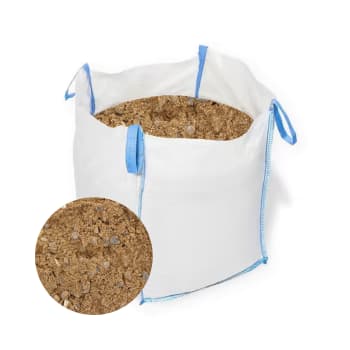
Materials are supplied in formats suited to project scale, encompassing 800kg bulk bags and loose load tipper deliveries of 5 tonnes or more for primary site works, alongside manageable 20kg and 25kg bags for maintenance, patching, or restricted access environments.
Material Range
- Aggregates Heavy-duty crushed materials designed to provide a stable, load-bearing foundation, featuring solutions such as MOT Type 1 for certified highway and driveway sub-bases.
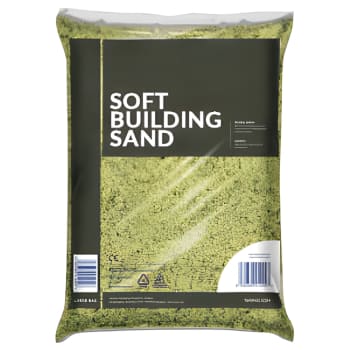
- Building Sands Fine and coarse particulate materials used for mixing and finishing, covering everything from sharp sand for floor screeds to soft building and plastering sand for mortars, alongside specialist options like grano dust for fine concrete applications.
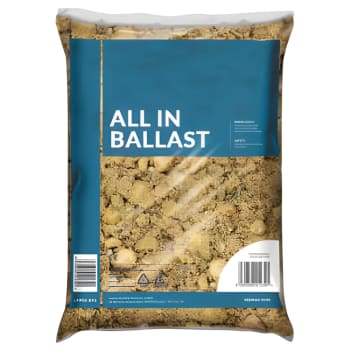
- Ballast A pre-mixed blend of sharp sand and small gravel that offers a convenient, ready-to-use aggregate base for standard concrete applications and footing pours.
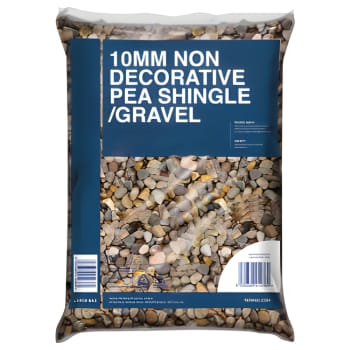
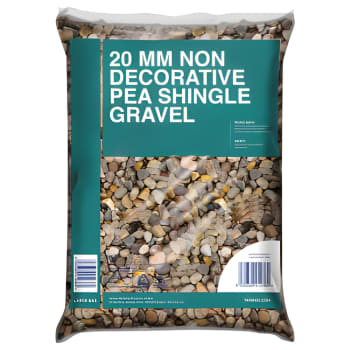
- Gravel Non-decorative rounded stone, featuring solutions such as 10mm and 20mm pea shingle, utilised primarily for pipe bedding, drainage, and basic ground cover.
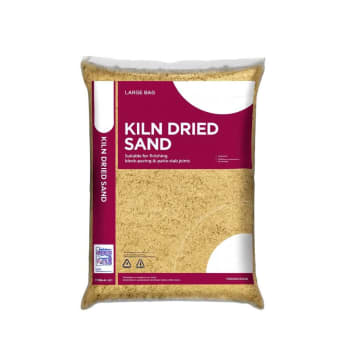
- Kiln-Dried Sand Moisture-free, ultra-fine sand supplied exclusively in 20kg bags, designed specifically for brushing into the joints of block paving to prevent movement.
Performance Benefits
- Structural Integrity Provides the necessary compressive strength, mass, and binding capabilities required for concrete mixing, mortar formulation, and ground stabilisation.
- Versatile Supply Formats Scalable delivery options ensure site demands are met without excessive waste, accommodating everything from large-scale commercial pours to minor domestic repairs.
Durability Naturally robust, weather-resistant materials that do not degrade under standard environmental exposure or heavy compressive site loads.
Typical Applications
- Sub-Base Construction Creating compacted, load-bearing foundations for roads, pathways, and patios using heavy crushed aggregates.
- Concrete Mixing Providing the structural aggregate and fine binding material required for standard footings, slabs, and high-strength concrete pours.
- Masonry and Bricklaying Formulating pliable, strong mortars for brickwork, blockwork, and pointing.
- Drainage and Pipe Bedding Backfilling trenches and surrounding underground pipework with shingle to ensure adequate water flow and pipe protection.
- Surface Finishing Jointing block paving, laying cementitious floor screeds, and applying external renders.
Specification & Standards
- BS EN 12620 Aggregates for concrete.
- BS EN 13139 Aggregates for mortar.
- SHW Clause 803 Specification for Highway Works guidelines dictating the grading and material requirements for MOT Type 1 granular sub-base.
Related Materials and Construction Uses
Sand and aggregates are fundamentally designed to integrate with cementitious products. They are continually combined with Portland cement and hydrated lime to formulate the mortars, screeds, and concretes that form the primary superstructure of most builds.
In groundworks, these bulk materials work in tandem with geotextile membranes to prevent sub-base migration, while heavy-duty damp proof membranes (DPM) are frequently laid over blinded MOT Type 1 or sand bases prior to pouring concrete slabs.
Additionally, paving products, blockwork, and facing bricks rely entirely on the precise grading of these sands and aggregates to achieve their specified structural bonds and aesthetic finish.
Frequently Asked Sand & Aggregates Questions
How Are Sand and Aggregates Classified?
They are classified by particle size and origin. Fine aggregates include natural sand, while coarse aggregates consist of gravel or crushed rock. Both types are selected to meet performance requirements specified in relevant British and European standards.
What Applications Use Sand and Aggregates Together?
They are used together in concrete mixes, screeds, mortar, and sub-base layers. Combined correctly, they ensure proper compaction, drainage, and load-bearing capacity for structural and civil engineering works.
What Standards Apply to Sand and Aggregates?
Sand and aggregates used in concrete and mortar must conform to BS EN 12620 for concrete aggregates and BS EN 13139 for mortar aggregates. Testing covers grading, cleanliness, strength, and moisture content.
How Does Particle Size Distribution Affect Performance?
A well-graded mix of sand and aggregates enhances density and reduces voids, improving concrete strength and workability. Correct grading ensures efficient compaction and limits segregation in fresh mixes.
Can Recycled Materials Be Used as Sand and Aggregates?
Yes. Recycled sand and aggregates derived from crushed concrete or asphalt can replace natural sources if they meet BS EN 12620 requirements. They support sustainability goals and reduce reliance on virgin materials.
How Should Sand and Aggregates Be Stored On-Site?
They should be stored separately on clean, hard surfaces to prevent contamination and moisture absorption. Proper stockpile management maintains consistent grading and quality control before batching or mixing.
What Is the Importance of Cleanliness in Sand and Aggregates?
Clean materials prevent impurities such as clay, silt, and organic matter from affecting bond strength and setting time. Regular washing or screening ensures compliance with specified cleanliness limits under BS EN 933-1.
What Tests Are Performed on Sand and Aggregates?
Routine tests include particle size analysis, moisture content, bulk density, and fines content. These determine compliance with relevant standards and confirm suitability for structural or non-structural use.
How Do Sand and Aggregates Influence Concrete Durability?
The composition and grading of sand and aggregates directly affect concrete’s compressive strength, permeability, and resistance to freeze-thaw cycles, making correct selection and proportioning critical for long-term durability.
Related Articles

Garden and Landscaping: A Technical Blueprint for Outdoor Projects

How to Install Block and Beam Flooring

How to Compact MOT Type 1

How to Level a Garden

How to Lay a Patio On Soil

How to Lay a Gravel Driveway

How To Repoint a Patio

How To Lay Block Paving

How To Lay A Patio

Top Dress A Lawn: The Easy Way

How to Clean Gravel

How To Build A Decking

How To Build A Pergola

What Is Cement Made Of?

How To Make Cement

How To Lay Gravel

Builders Sand vs Sharp Sand