

100mm Insulation
(26 Products)100mm insulation is a standard industry thickness that serves as a primary building block for achieving modern thermal and acoustic performance. This depth is a versatile benchmark, often used as a standalone layer in floors and walls or as a foundational base layer in multi-depth loft systems.







.jpg)


Engineering & Specification Requirements
Specifying 100mm insulation is a technical decision typically driven by the standardised dimensions of UK structural elements. In timber frame and masonry cavity applications, a 100mm profile is designed to fit precisely within common stud depths or cavity voids, ensuring a snug friction-fit that prevents air gaps. Because 100mm is a substantial thickness, it provides a stable, self-supporting structure in slab format that resists sagging over time.
The utility of the 100mm depth lies in its balance between performance and site practicalities. It is thin enough to be handled easily by a single installer but thick enough to provide significant resistance to heat transfer in a single pass. In acoustic applications, such as internal partitions or party walls, 100mm of mineral wool is a critical specification for reducing airborne sound transmission between rooms, helping to meet the requirements of Building Regulations Part E.
Application & Format Selection
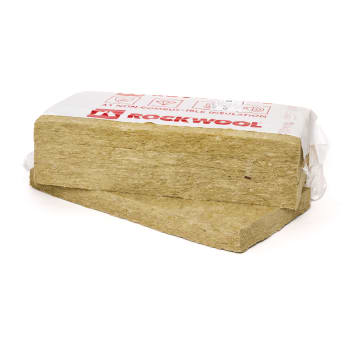
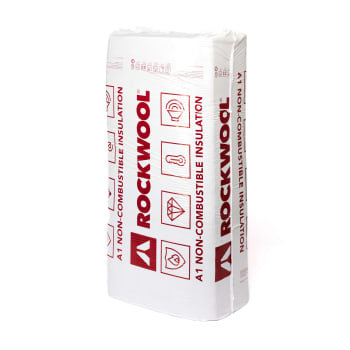
- Internal Partition Walls: 100mm Acoustic Slabs fitted between timber or metal studs to reduce sound transfer between living spaces.
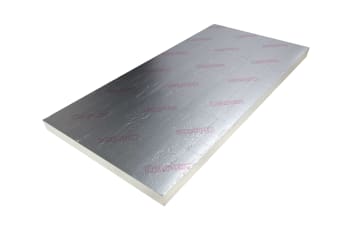
- Pitched Roofs (Over Rafters): 100mm PIR boards used in "warm roof" configurations to create a continuous thermal envelope above the structural timber.
- Ground Floors: 100mm Rigid Foam boards (PIR/EPS) installed beneath screeds or concrete slabs to provide a robust thermal break.
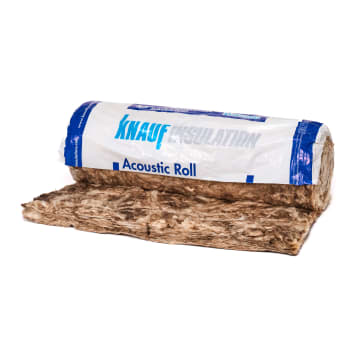
- Loft Insulation: 100mm Mineral Wool rolls used as the "base layer" laid between joists, usually topped with a second thicker layer laid cross-ways.
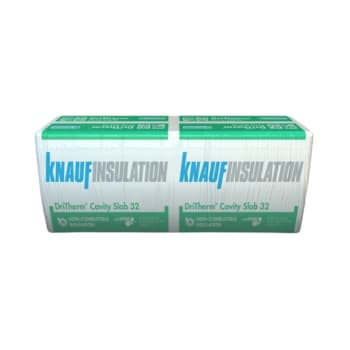
- Masonry Cavities: 100mm Partial or Full-Fill slabs designed specifically for external wall insulation within the building's envelope.
Frequently Asked 100mm Insulation Questions
Is 100mm insulation thick enough for 100mm joists?
Yes, 100mm insulation is designed to sit flush within standard 100mm timber joists. For loft applications, this is typically used as the base layer, with a second perpendicular layer added on top to reach the total depths required by modern energy standards.
Can I use 100mm insulation in a 100mm stud wall?
Yes, 100mm acoustic wool or slabs are designed specifically to be friction-fitted into 100mm (4-inch) timber or metal studs. This provides a snug fit that prevents sagging and ensures maximum sound and heat insulation across the partition.
Can I walk on 100mm insulation once it is installed?
You should never walk directly on 100mm insulation, whether it is a rigid board or a soft roll, as this can cause structural damage or compression. To access a loft or maintenance area, you must install purpose-made loft legs and boarding over the insulation to create a safe walkway.
Related Articles

How to Install XPS Insulation

How to Insulate Under Floorboards Without Removing

How to Insulate a Loft

Cavity Wall Insulation Installation

How To Cut Insulation Rolls

How To Install Celotex Insulation Boards

How and Where Is Rockwool Manufactured?

Insulation Material Types and Their Uses

How To Soundproof A Floor