

Adhesives & Sealants
(109 Products)Adhesives and sealants provide essential bonding, sealing, and gap-filling solutions for a wide range of construction and finishing tasks. Engineered to ensure structural integrity and airtightness, these professional-grade formulations are compatible with substrates including timber, masonry, glass, and composite metals.








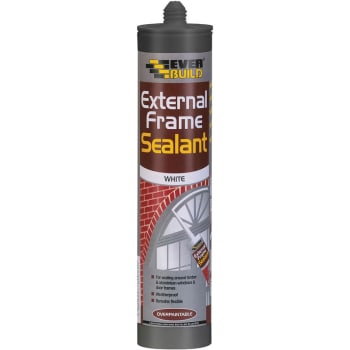
Understanding Adhesives and Sealants
Adhesives and sealants are critical components in modern construction, designed to facilitate high-strength bonding and durable weatherproofing. The range encompasses advanced chemistries tailored for specific environmental stresses, such as thermal expansion, moisture ingress, and structural movement. By selecting the correct material, tradespeople can ensure long-term performance and compliance with building envelope requirements.
Whether securing heavy-duty fixtures or ensuring a hygienic finish in internal joints, these products address the diverse needs of both primary construction and secondary fit-out.
The integration of these chemical solutions reduces the need for mechanical fixings, minimising substrate damage and improving the aesthetic finish of a project. From preventing air leakage in energy-efficient builds to providing watertight barriers in wet zones, these materials are fundamental to the longevity and safety of the built environment.
Material Range
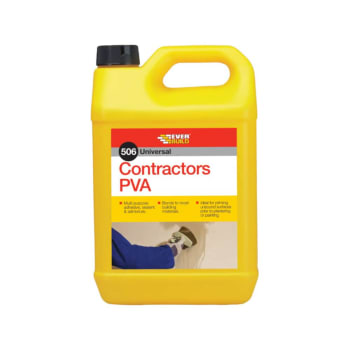
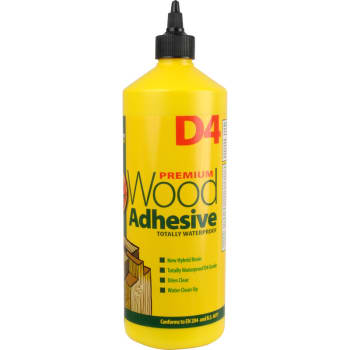
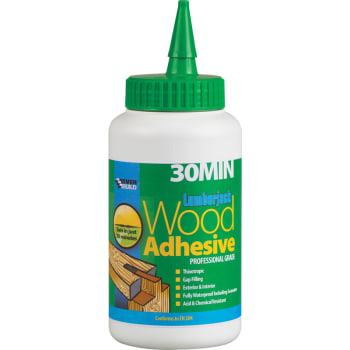
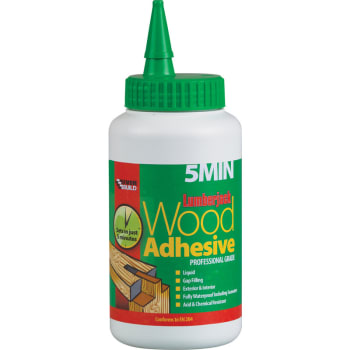
- Glues & Adhesives: High-strength bonding agents for structural and decorative applications, including wood glues, contact adhesives, and heavy-duty grab resins such as those found in the Everbuild adhesives range.
- Silicones & Sealants: Flexible jointing compounds designed for weatherproofing and sanitary applications, featuring high-modulus and low-modulus formulations to accommodate varied movement.
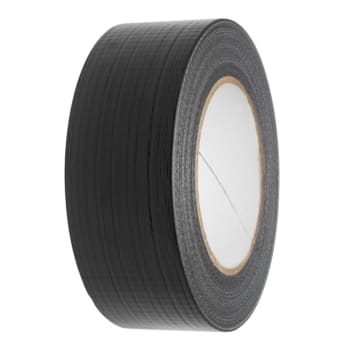
- Tapes: Precision bonding and sealing strips used for vapour control, joint reinforcement, and temporary masking during site works.
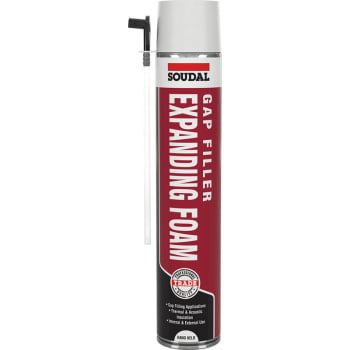
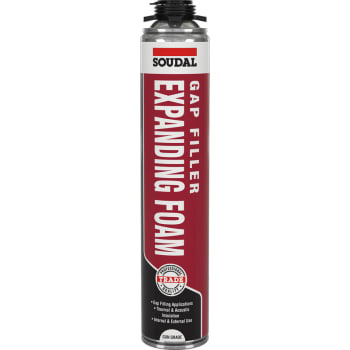
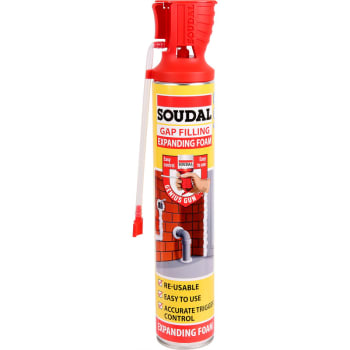
Foams and Fillers: Expanding polyurethane foams and high-quality fillers used for insulating voids, fire-stopping, and repairing surface imperfections in masonry or plaster.
Performance Benefits
- Substrate Versatility: Factual bonding capability across porous and non-porous surfaces, ensuring reliable adhesion to common building materials.
- Environmental Durability: Resistance to UV degradation, temperature fluctuations, and moisture, maintaining bond integrity over the lifecycle of the installation.
- Structural Movement Accommodation: Elasticity properties that allow materials to expand and contract without compromising the seal or bond.
- Ease of Application: Formulated for efficient use with standard mastic guns or manual application tools, ensuring consistent results for the operative.
Typical Applications
- Sanitary Sealing: Applying anti-fungal silicones around baths, showers, and kitchen worktops to prevent water ingress.
- Structural Bonding: Using heavy-duty glues and adhesives to secure skirting boards, panelling, or decorative cladding without visible fixings.
- Airtightness Detailing: Utilising specialised tapes and foams to seal penetrations in the building envelope, improving thermal efficiency.
- Expansion Jointing: Filling perimeter joints in flooring or masonry with flexible sealants to manage thermal movement.
Specification & Standards
- BS EN 15651: Sealants for non-structural use in joints in buildings and pedestrian walkways.
- BS 5212: Cold applied joint sealant systems for concrete pavements.
- BS EN 204: Classification of thermoplastic wood adhesives for non-structural applications.
Related Materials and Construction Uses
These bonding and sealing agents are designed to work as part of a wider building system. They are frequently used in conjunction with vapour control layers and breathable membranes to ensure a continuous air and moisture barrier. In roofing and cladding applications, they complement mechanical fixings by providing secondary weather protection and vibration dampening.
When finishing internal spaces, these materials integrate with plasterboard and timber systems to create smooth, paintable surfaces. Proper surface preparation with primers or cleaners is often required to ensure maximum adhesion, particularly when working with porous masonry or old substrates.
Related Articles

How To Build a Shed