

MDF Architrave
(43 Products)MDF Architraves provide a consistent, high-quality finish for framing internal door openings and window surrounds. Manufactured from compressed wood fibres and synthetic resins, these profiles offer a defect-free alternative to traditional timber, ensuring a smooth surface that resists warping and splitting for a professional decorative finish.





Understanding MDF Architraves
White Primed MDF Architraves are precision-engineered from high-density wood fibres to provide a stable, warp-resistant alternative to traditional softwood. Designed to mask the joint between the door frame and the wall, these architraves offer a consistent surface that is entirely free from the knots, shakes, or resinous bleeds associated with natural timber.
The manufacturing process ensures that every length is uniform, allowing for precise mitring and tight joints during installation. The factory-applied white primer seals the MDF, preventing excessive suction and ensuring that subsequent paint finishes—whether gloss, satin, or eggshell—adhere evenly across the entire profile. This stability makes them particularly effective in high-traffic areas where durability and aesthetic consistency are paramount.
Material Range
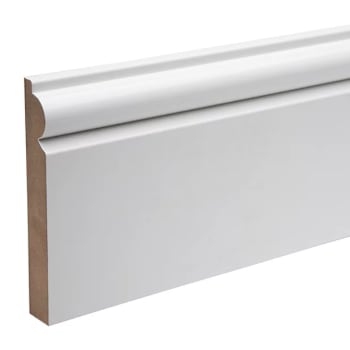
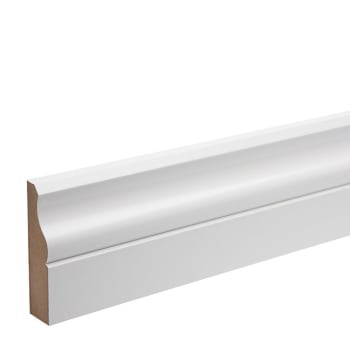
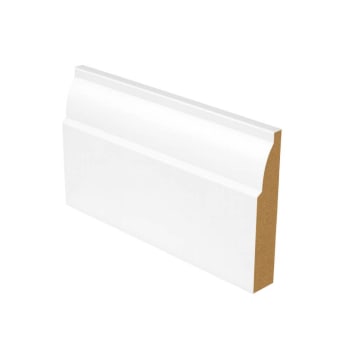
- Architectural Profiles: Decorative mouldings designed to complement traditional or period aesthetics, featuring designs such as the classic Ogee and Torus profiles.
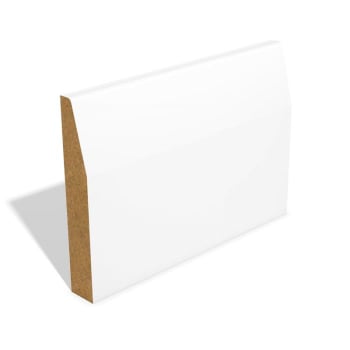
- Contemporary Profiles: Clean, minimalist shapes for modern interiors, including Square Edge, Chamfered, and Pencil Round variations.
Performance Benefits
- Dimensional Stability: Engineered construction prevents the shrinking, cracking, or swelling often associated with solid timber.
- Surface Consistency: Devoid of natural defects like knots or shakes, ensuring a uniform finish across every length.
- Ready for Decoration: The factory-applied white primer allows for immediate painting, reducing the number of coats required to achieve full opacity.
- Moisture Resistance: Formulated to withstand fluctuations in humidity, making them durable in various internal climates.
Typical Applications
- Door Encasing: Framing internal door openings to provide a decorative transition between the lining and the wall finish.
- Window Detailing: Creating a matching aesthetic by bordering window reveals to align with the room's skirting and doors.
- Joint Concealment: Effectively covering the structural gap between timber frames and plasterboard or masonry.
Specification & Standards
- BS EN 622-5: Fibreboards. Specifications. Requirements for dry process boards (MDF).
- BS 1186-3: Panel products for use in joinery.
- ISO 9001: Quality management systems ensuring consistency in manufacturing and priming thickness.
Related Materials and Construction Uses
White Primed MDF Architraves are typically installed alongside matching skirting boards to create a unified interior design. They are secured using proprietary grab adhesives or mechanical fixings such as pins or brads. For a professional result, the mitred corners are usually bonded with a rapid-set mitre adhesive, while any visible fixings are concealed with wood filler and sanded prior to the final coat of paint.
Frequently Asked MDF Architrave Questions
What Profiles Are Available In MDF Architrave?
Common profiles include ogee, torus, chamfered, and pencil round. Profile selection typically aligns with matching skirting boards to maintain visual consistency throughout a property.
Can MDF Architrave Be Painted Directly?
Most MDF architrave is supplied primed and ready for finishing coats. Unprimed MDF requires sealing and priming before painting to prevent excessive paint absorption and ensure a uniform finish.
How Is MDF Architrave Fixed?
Fixing is typically carried out using lost-head nails, pins, or suitable grab adhesive, secured into the door lining or adjacent framing. Mitre joints are formed at corners, and joints should be filled and sanded prior to decoration.
Related Articles

How To Remove Skirting Boards

How To Remove Architrave

How To Paint Architrave

How To Fit Architrave