

Exterior Timber Cladding
(9 Products)Timber Cladding solutions provide a high-performance external skin designed to protect building structures from environmental degradation. Engineered for moisture shedding and thermal buffering, these timber profiles offer a sustainable, natural finish for garden buildings, residential extensions, and commercial facades while ensuring long-term structural shielding.



Understanding Timber Cladding
Timber cladding serves as a primary rain-screen, creating a non-load-bearing outer layer that shields the building envelope from wind-driven rain, UV radiation, and temperature fluctuations. By utilising specific interlocking profiles, these materials facilitate effective water runoff, preventing moisture ingress into the substrate or insulation layers.
The selection of shiplap or loglap profiles allows for tailored performance and aesthetics. When installed over a treated timber batten system with appropriate ventilation gaps, these timber boards contribute to a managed, breathable environment for the wall assembly. This reduces the risk of interstitial condensation and significantly enhances the service life of the building.
Beyond its protective function, timber is a carbon-sequestering material that provides natural thermal benefits. Its low thermal conductivity helps reduce thermal bridging across the building envelope, supporting improved energy efficiency in both new-build and refurbishment projects.
Material Range
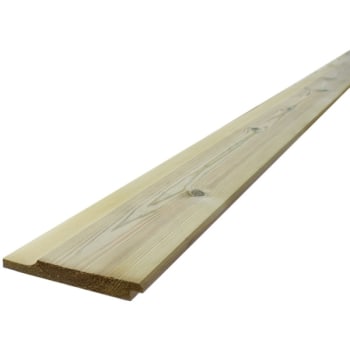
- Timber Shiplap Cladding: Featuring a recessed curved profile, shiplap provides a smooth, overlapping finish designed for superior water run-off, featuring solutions such as Pressure Treated Shiplap.
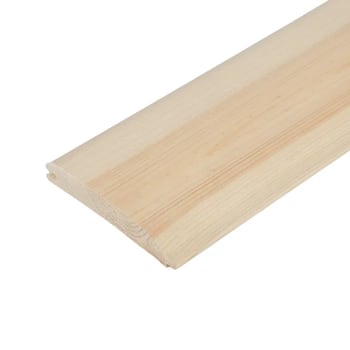
- Timber Loglap Cladding: Characterised by a rounded external face to mimic the aesthetic of a traditional log cabin while maintaining a flat internal surface for easy installation, featuring products like Treated Loglap.
Performance Benefits
- Weather Resistance: Interlocking profiles are precision-machined to create a tight seal that prevents water penetration during heavy rainfall.
- Thermal Efficiency: The natural cellular structure of wood provides inherent insulation properties, helping to regulate internal building temperatures.
- Environmental Sustainability: Sourced from renewable forests, timber acts as a sustainable alternative to synthetic materials with a lower embodied carbon footprint.
- Structural Protection: Acts as a sacrificial layer that absorbs the impact of UV and moisture, preserving the integrity of the underlying structural frame.
Typical Applications
- Garden Buildings: Providing a weather-tight and aesthetic finish for sheds, summerhouses, and garden studios by effectively shedding surface water.
- Building Elevations: Creating a protective rain-screen for residential extensions or external wall refurbishments.
- Facade Retrofitting: Improving the thermal performance and visual appearance of existing masonry or timber-frame structures.
- Rustic Outbuildings: Utilising rounded profiles to achieve a traditional log-cabin aesthetic for rural installations.
Specification & Standards
- BS EN 335: Durability of wood and wood-based products against biological agents.
- BS EN 350: Natural durability of solid wood and its resistance to wood-destroying fungi and insects.
- BS 8605: External timber cladding code of practice for design and installation.
Related Materials and Construction Uses
Timber cladding is a critical component of a multi-layered building envelope. For a successful installation, it is used in conjunction with breathable membranes which sit behind the cladding to allow moisture vapour to escape while preventing liquid water ingress. The boards are secured to treated timber battens - or suitable metal framing in specific commercial applications - to create a continuous ventilation cavity. This airflow is essential for equalising moisture content and preventing rot within the structure.
The system is further integrated with stainless steel fixings to prevent timber staining and corrosion. When applied to insulated structures, timber cladding works alongside PIR or mineral wool insulation, providing the final aesthetic and protective layer that ensures the thermal performance of the wall remains uncompromised by the elements.
Frequently Asked Cladding Questions
What Is The Difference Between Shiplap And Loglap Cladding?
Shiplap features a flat face with a subtle overlap for a clean, uniform finish. Loglap has a rounded profile, giving a more traditional, log cabin-style appearance.
Does Cladding Improve Insulation?
Cladding itself doesn’t insulate, but when installed as part of an external wall system with insulation behind it, it helps reduce heat loss and improve overall energy efficiency.
What Is A Ventilated Cladding System?
A ventilated cladding system includes an air gap between the cladding and the wall. This promotes airflow, allowing moisture to escape and preventing condensation build-up.
Is Planning Permission Required For Cladding?
Planning permission is generally not required for cladding on houses, unless the building is listed, located in a conservation area, or you’re changing materials significantly. Always check with your local authority.
What Is a Shadow Gap?
A shadow gap in timber cladding is an intentional space left between cladding boards that enhances aesthetic appeal, allows for moisture management and thermal expansion, provides installation flexibility, and helps conceal fasteners.
Ultimately, a shadow gap adds depth and dimension while promoting durability and preventing issues like warping or rot.