

Internal Door Casings
(6 Products)Internal door casings form the rebated frame around a doorway. These Redwood casings are supplied unfinished for painting or staining, with options for 762mm and 838mm doors. Decorative architrave is fitted separately to cover the junction between the frame and wall.
Understanding Internal Door Casings
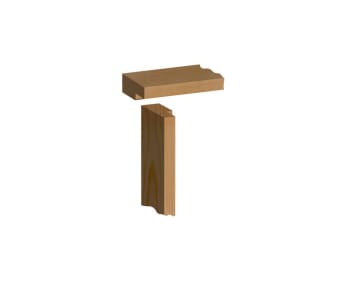
Internal door casings form the frame into which an internal door is fitted. These Redwood casings have a machined rebate that creates an integral stop against which the door closes.
The casing and decorative architrave perform different jobs. The casing forms the doorway frame, while architrave covers the junction between that frame and the surrounding wall.
Choose the casing by its stated door width and finished timber dimensions. The products are supplied unfinished, allowing the exposed timber to be painted or stained to suit the interior.
Material Range
- Redwood Rebated Casings: Unfinished timber casings offered for 762mm and 838mm doors, with three nominal timber sizes.
Performance Benefits
- Integral Door Stop: The machined rebate provides the stop against which the door closes, avoiding the need for a separately fitted stop.
- Choice of Finish: Unfinished Redwood can be prepared for painting or staining to coordinate with the door and surrounding joinery.
Typical Applications
- New Internal Doorways: Forming a rebated frame for a compatible internal door.
- Replacement Frames: Renewing an existing internal door frame where the selected casing dimensions suit the door and opening.
Related Materials and Construction Uses
Door casings work alongside the internal door, hinges, latch and suitable frame fixings. Once the frame is installed, architrave covers the junction with the wall and provides the decorative surround.
The unfinished casing can be painted or stained using a suitable timber finishing system. Prepare and finish the timber in accordance with the coating manufacturer’s instructions.
Frequently Asked Internal Door Casings Questions
How Do I Choose the Right Interior Door Casing?
Choosing the right door casing depends on several factors, including the style of your home, the existing trim in the room, and your personal preferences. It is important to select a casing that complements the baseboards, window trim, and other elements in the room to create a cohesive look. Consider the material, colour, and profile of the casing to ensure it enhances the overall decor.
What Is the Difference Between Mitered and Butted Door Casings?
- Mitered Door Casings: These casings have the corners cut at 45-degree angles to form a neat joint, typically used for more intricate designs.
- Butted Door Casings: These feature a simple, square joint where two pieces of casing meet at the corner, creating a more straightforward and often larger appearance.
How Do Door Casings Improve the Value of a Home?
While door casings are often considered decorative, they can contribute to the overall value of a home. A well-chosen, professionally installed door casing can make the doorways stand out, creating a cohesive and polished look throughout the home.
This added attention to detail improves the room’s overall design and can be a selling point for prospective buyers. In high-end homes, detailed or custom-designed casings can add a sense of luxury and elevate the overall aesthetic.