

Catnic Lintels
(18 Products)Catnic Lintels provide essential structural support over door and window openings, ensuring the safe distribution of masonry loads to the surrounding walls. Engineered from high-quality galvanised steel and finished with a protective polyester powder coating, these lintels are designed to offer superior corrosion resistance and thermal efficiency in accordance with modern building standards.

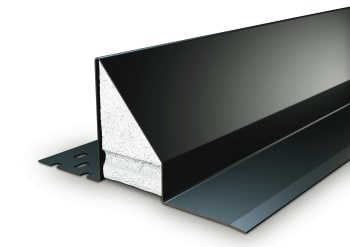

Understanding Catnic Lintels
Catnic Lintels are manufactured using a unique duplex coating process, combining galvanisation with a robust powder-coated finish to provide double-layer protection against environmental degradation. This range includes specialist profiles engineered for specific wall constructions, including cavity walls, single-leaf external skins, and internal load-bearing partitions. Each profile is designed to eliminate cold bridging and provide a stable base for the subsequent courses of masonry.
The CG90/100 series is specifically designed for standard cavity wall constructions, featuring a built-in damp proof course (DPC) and thermal insulation to meet stringent energy performance requirements. For single-leaf applications, the ANG profile offers a discreet yet rigid support system, while the BSD100 box lintel provides a versatile solution for internal walls, capable of supporting floor joists and masonry loads simultaneously.
All profiles in this range are available in a variety of lengths to suit different clear span requirements. The integral "open back" or "box" designs ensure that the mortar bond is maintained throughout the wall structure, providing a high degree of lateral stability and ease of installation for the bricklayer.
Material Range
- CG90/100 Cavity Lintels: High-performance lintels for 90mm-105mm cavities, featuring an integral plaster key and thermal insulation, available in lengths ranging from 750mm to 3600mm.
- ANG Single Leaf Angle Lintels: Compact L-shaped profiles designed for supporting the outer leaf of brickwork or for use in meter cupboard openings, provided in multiple standard lengths.
- BSD100 Internal Box Lintels: Robust box-section lintels for 100mm internal walls, designed to support masonry and timber joists with a built-in plaster key for a seamless finish.
Performance Benefits
- Duplex Corrosion Protection: Galvanised steel with an additional powder coating ensures a service life equal to that of the building.
- Thermal Efficiency: Built-in insulation in cavity profiles minimises thermal bridging and helps achieve lower U-values.
- Integral Plaster Key: Feature-rich profiles that allow for direct plaster application without the need for additional mesh or expanded metal lathing.
- Structural Precision: Manufactured to tight tolerances to ensure level masonry bedding and consistent load distribution.
Typical Applications
- Standard Window and Door Openings: Utilising CG90/100 lintels to span apertures in traditional cavity wall homes.
- External Brickwork Support: Using ANG angle lintels for supporting face brickwork over openings where the inner leaf is supported independently.
- Internal Partitions: Installing BSD100 box lintels over interior doorways in load-bearing masonry walls.
- Eaves and Parapets: Providing structural support at the head of walls where roof loads are concentrated.
Specification & Standards
- BS EN 845-2: Specification for ancillary components for masonry. Lintels.
- BS 5977-1: Lintels. Method for assessment of load.
BS EN ISO 1461: Hot dip galvanised coatings on fabricated iron and steel articles.
Related Materials and Construction Uses
Catnic Lintels are an integral part of the structural envelope and are typically installed alongside cavity trays, weep holes, and wall ties. For cavity wall applications, the lintel must be bedded on a full layer of mortar with a minimum end bearing of 150mm at each side of the opening. To ensure compliance with Part L of the Building Regulations, the thermal break within the CG90/100 profile should be aligned with the cavity insulation to maintain a continuous thermal envelope.
Frequently Asked Catnic Lintels Questions
What Is The Standard Corrosion Protection For Catnic Lintels?
Catnic lintels are typically galvanised in accordance with BS EN 10346, providing corrosion protection suitable for most internal and external cavity wall applications. Additional coatings may be specified for aggressive environments or areas of severe exposure.
Do Catnic Lintels Require Padstones?
Padstones may be required where masonry strength is insufficient to distribute concentrated loads. Installation guidance should follow structural engineer recommendations and good practice in accordance with BS 5977 for masonry construction.
How Are Catnic Lintels Installed?
Lintels must be installed level on full mortar beds with correct bearing at each end. Masonry should not be point-loaded, and propping may be required during installation until mortar achieves adequate strength.