

Weep Vents
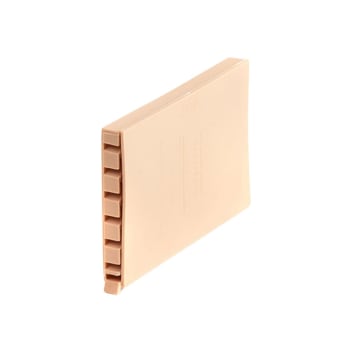
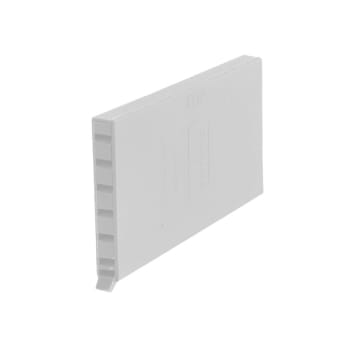
(5 Products)Cavity Wall Brick Weep Vents provide essential drainage and ventilation for masonry cavity walls, ensuring the long-term protection of the building fabric. Designed for seamless integration into mortar joints, these 10mm x 65mm vents allow moisture to escape the cavity while preventing the ingress of driving rain and large insects.


Understanding Cavity Wall Brick Weep Vents
Cavity wall brick weep vents are purpose-moulded components engineered to manage water and airflow within a masonry structure. Their primary function is to provide a dedicated exit point for water that has penetrated the outer leaf or formed as condensation on the internal cavity face. By installing these vents at regular intervals above lintels, tray systems, or at the base of the wall, specifiers ensure that moisture is directed safely away from the building, preventing damp and timber decay.
These specific 10mm x 65mm units are designed to match standard UK brick dimensions, allowing them to be installed in place of a vertical perp joint. Manufactured from durable, UV-stabilised polymers, the vents resist degradation from environmental exposure and the corrosive effects of mortar. The slim profile ensures that the structural integrity of the masonry is maintained while providing a discrete functional opening.
The range is available in five distinct finishes to ensure a professional match with any facade. This includes solid colours to blend with specific brick and mortar types, as well as a translucent option for versatile use across varying materials. Whether used in new build masonry or as part of a remedial damp-proofing strategy, these vents are a critical component for maintaining a dry and healthy building envelope.
Material Range
- Coloured Cavity Weep Vents: High-performance 10mm x 65mm vents designed for discrete installation within masonry perp joints, featuring aesthetic finishes such as White, Black, Buff, and Terracotta.
- Translucent Cavity Weep Vents: Clear 10mm x 65mm vents engineered to provide a versatile drainage solution that adopts the surrounding tones of the masonry and mortar, featuring the Clear Weep Vent.
Performance Benefits
- Effective Moisture Management: Facilitates the rapid discharge of water from the cavity to prevent the buildup of hydrostatic pressure and damp.
- Cavity Ventilation: Promotes airflow within the wall void, assisting in the evaporation of interstitial condensation.
- UV Stability: Constructed from weather-resistant materials that will not become brittle or discolour when exposed to direct sunlight.
- Infiltration Protection: Features an internal baffle design that prevents the entry of large insects and wind-driven rain.
Typical Applications
- Above External Openings: Installed over window and door lintels to drain water collected by the cavity tray.
- Base of Cavity Walls: Positioned at the first course of masonry above the damp-proof course (DPC) to clear accumulated moisture.
- Stepped Gable Chimneys: Used in conjunction with lead soakers and trays to manage water runoff in complex roof intersections.
Specification & Standards
- BS 5250: Code of practice for the management of moisture in buildings, detailing the requirements for cavity ventilation.
- BS 8215: Code of practice for design and installation of damp-proof courses in masonry construction.
- NHBC Standards Chapter 6.1: Requirements for external masonry walls, including the correct spacing and placement of weep holes.
Related Materials and Construction Uses
Cavity wall brick weep vents are used as a secondary line of defence alongside primary damp-proofing components. They are most effective when installed in direct contact with cavity trays or DPC membranes, which catch and direct moisture toward the vent opening. In modern timber frame or masonry construction, these vents work in tandem with wall ties and insulation to ensure the cavity remains clear and functional.
During the bricklaying process, care must be taken to ensure that mortar does not block the internal end of the vent. These units are often used in conjunction with cavity cleaners during the build to prevent debris from obstructing the drainage path. When correctly matched to the mortar or brick colour, they provide a professional finish that satisfies both building control requirements and architectural design standards.